


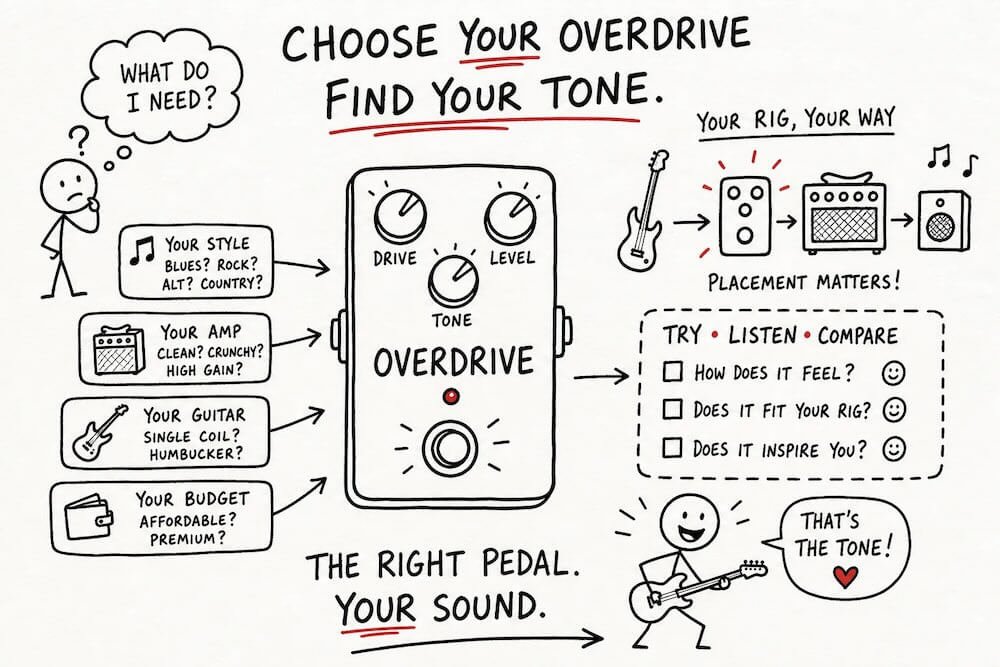
You’ve watched a dozen comparison videos, read three “best of” lists, and you still don’t know which overdrive pedal to buy. That’s not a research problem. It’s a framing problem. Many guides throw twenty options at you without answering the foundational question: which type of overdrive matches your amp, your guitar, and the sounds you’re actually chasing? If you’re building a rig for lo-fi, ambient, or modern textural tones, you may have already come across curated picks and demo clips from shops like Uniqtone, which focuses specifically on gear for that sonic space. This guide takes a different approach. By the end, you’ll know exactly which tone type fits your rig, which pedals to consider at each price point, and where to hear them before you buy.
The overdrive pedal is one of the most commonly purchased and widely misunderstood effects in the signal chain. Getting it right means understanding what the pedal does to your signal, what your amp brings to the relationship, and which tone profile fits your playing style. That’s the framework this entire guide is built on.
What an overdrive pedal actually does to your signal
An overdrive pedal clips your guitar’s signal in a soft, asymmetric way that mimics the natural breakup of a pushed tube amp. Unlike distortion, which clips hard and creates dense, compressed saturation, overdrive is touch-sensitive. Play harder and you get more grit; ease off and the signal cleans up. That interaction with your picking dynamics is what makes it useful for both rhythm and lead work, and it’s what separates a good overdrive from a fuzzy wall of gain.
How soft clipping creates musical grit
Soft clipping rounds off the peaks in your waveform rather than chopping them flat. This adds harmonics without destroying the original character of the note, which is why overdrive sounds organic and musical at moderate gain settings rather than aggressive. The note retains its attack and decay; it just acquires a warm, slightly worn texture around the edges. That quality is exactly what makes overdrive so useful for lo-fi and ambient applications.
The controls on almost every drive pedal
Three controls appear on nearly every overdrive: Gain (how much clipping the circuit applies), Tone (usually a high-frequency filter that tilts brightness up or down), and Level (output volume relative to your bypassed signal). Some analog overdrive designs add a bass or presence control for more precise EQ shaping. Understanding these three basics is enough to dial in most pedals without guessing.
The three tone types that define the overdrive world
Not all overdrive pedals are chasing the same thing. The category splits into three broad tone profiles, and picking the wrong one for your rig is a very common buying mistake. Once you know which profile fits your playing style, the shortlist of pedals shrinks significantly.
Mid-hump drives: the Tube Screamer style
Tube Screamer-style pedals push the mids forward, cut some bass, and roll off the very top end. The result is a focused, compressed sound that helps a guitar cut through a band mix without adding low-end mud. This style pairs especially well with Fender-type clean amps, which have a naturally scooped, open low end that benefits from the added midrange presence. Dozens of Tube Screamer alternatives exist at every price point, all chasing that same mid-forward character with slightly different compression and gain textures.
Transparent overdrive: when less color is the goal
A transparent overdrive preserves your guitar and amp’s natural voice, adding volume and a small amount of grit without imposing its own EQ character on the signal. Think of it as an “always-on” edge that makes everything slightly more alive without fundamentally changing the tone. This style works best when you already like your amp’s core sound and want a low-gain push rather than a personality transplant. It’s also the most flexible option for stacking with other drives later in the chain.
Gritty breakup: amp-like feel and cleanup
Gritty breakup drives feel like an amp that’s just starting to come apart at the seams. They have lower compression than Tube Screamer-style pedals, stronger touch response, and notes that clean up significantly when you roll back your guitar’s volume or pick more lightly. This style works best when your amp is already set near the edge of breakup, because the pedal adds texture rather than creating all the distortion itself.
Matching your overdrive to your amp and guitar

The overdrive you choose should complement what your amp already does, not fight against it. A mid-hump drive into a mid-heavy amp creates a congested, honky mess. A transparent overdrive into a scooped clean platform sounds focused and musical. Getting this pairing right is the single variable that most separates a useful board from a frustrating one.
Fender-style cleans vs. Marshall-style platforms
Fender-type amps with scooped EQ respond best to Tube Screamer-style drives. The mid boost and bass cut work with the amp’s natural character, helping the guitar sit forward without getting flubby. Marshall-style amps, or any amp already sitting near breakup, work better with transparent drives or low-gain gritty breakup pedals. Adding a mid-heavy pedal on top of an already mid-present amp is a reliable way to end up with a sound that doesn’t fit anywhere in a mix.
Single-coil pickups vs. humbuckers
Single-coil pickups are bright and dynamic, which makes them well suited to both transparent drives and mid-hump styles. The added mids from a Tube Screamer-style pedal give single-coils more body in the low mids and more cut in a band context. Humbuckers are fuller and warmer by nature, so a gritty breakup pedal tends to complement them better than a heavily mid-boosted drive, which can push the low mids into muddy territory at anything above a low gain setting.
Best overdrive pedals by tone profile and budget
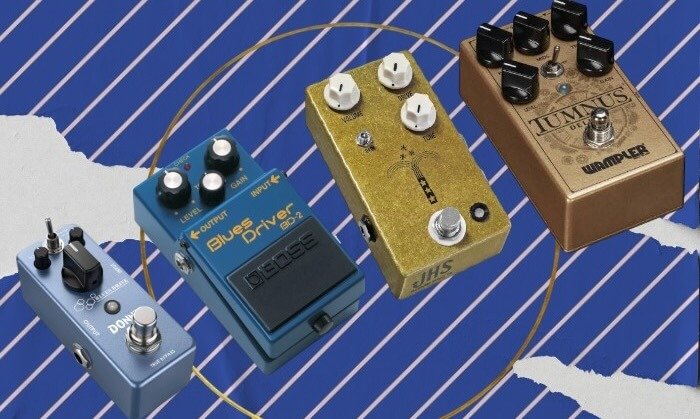
The picks below are organized by tone type, then by price tier: budget (under $75), midrange ($100 to $200), and boutique ($200 and up). One strong option per tier per tone style keeps the decision manageable.
Budget picks that over-deliver under $75
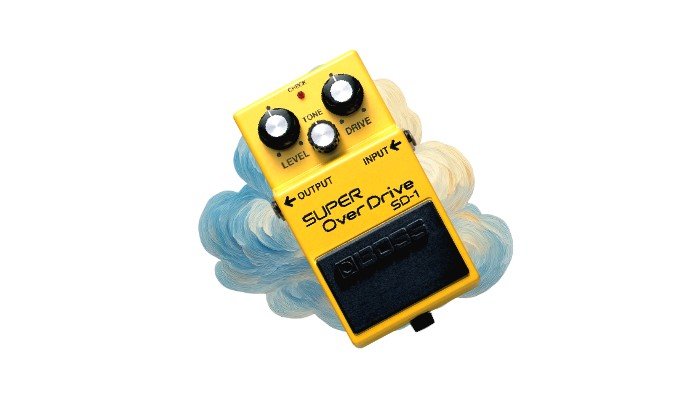
Boss SD-1 pedal
For mid-hump tones, the Boss SD-1 Super Overdrive is the clearest budget winner in 2026 buying guides. It’s reliable, widely available, and delivers that classic mid-focused character without fuss. The Behringer TO800 is a lower-cost Tube Screamer alternative worth considering if you’re just starting out and want to test the tone type before committing more money.
For a budget transparent option, the Donner Blues Drive covers low-gain, amp-like breakup at a price that makes it easy to experiment. Be honest about the tradeoffs at this tier: build quality tends to be lighter, true bypass varies by model, and the noise floor generally won’t match higher-end circuits.
The midrange sweet spot: $100 to $200
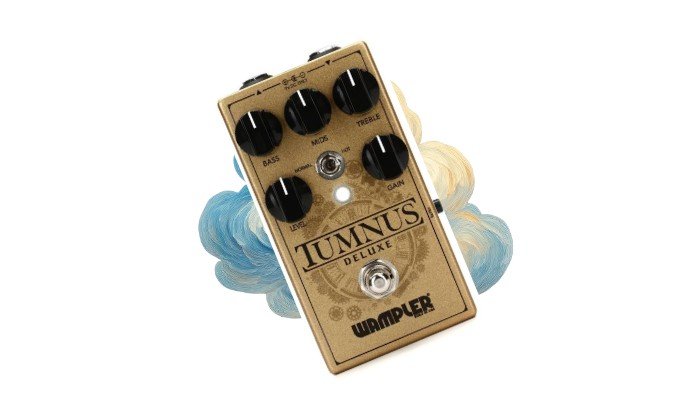
Wampler Tumnus Deluxe
Many 2026 buying guides point to the $100, $200 range as the best overall value in overdrive pedals. The Boss BD-2 Blues Driver consistently earns top marks in this tier, with a warm, touch-sensitive response that works particularly well with Fender-style clean amps. For transparent overdrive in this range, the JHS Morning Glory V4 is the most cited option, and it doubles well as a clean boost or always-on edge tone. The Wampler Tumnus Deluxe sits in similar territory with more EQ control, making it a strong choice for players who want flexibility in how transparent or colored the drive sounds.
Boutique options and curated bundles from Uniqtone
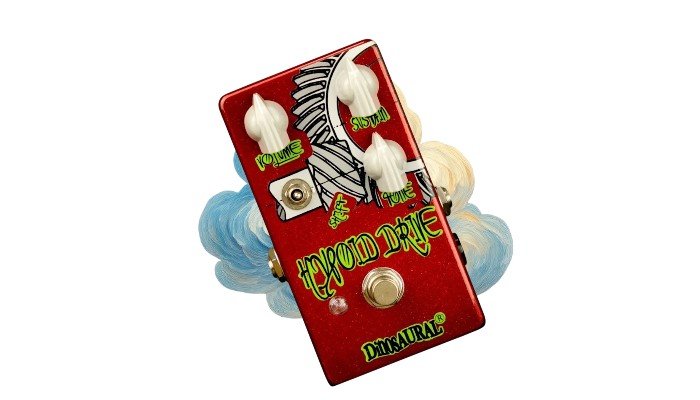
Dinosaural Hypoid Drive
At the boutique level, the Dinosaural Hypoid Drive has earned considerable attention in 2026 overdrive guides, including a top pick position in guitar.com’s current roundup. For players who want a practical starting point rather than researching individual pedals one by one, Uniqtone’s curated overdrive pedal bundles are worth exploring. The shop includes embedded demo clips so you can hear each pedal in a real rig context before buying, which helps address the audio-quality limitations that make many YouTube comparisons difficult to judge. If you’re building toward a specific sound, the curated pairing approach can save significant time and second-guessing.
Getting pedalboard placement and gain staging right
At the basic level, signal chain order isn’t a matter of preference; it’s a functional decision that affects how every pedal in the chain behaves. A great overdrive pedal in the wrong position sounds thin, noisy, or fizzy.
Where your overdrive belongs in the signal chain
The standard position is after your tuner and wah, before modulation, delay, and reverb. This keeps the driven tone intact before it gets repeated or placed in an ambient space. Running an overdrive after delay or reverb creates smeared, indistinct tails that work for experimental textures but usually not for defined melodic playing. The exception is the effects loop of an amp with a preamp channel already engaged; in that case, placing a light overdrive in the loop adds texture without fighting the preamp’s own gain structure.
Stacking two drives for richer texture
The most common stacking approach is a transparent overdrive or clean boost going first into a mid-hump drive. The first pedal pushes the second harder, increasing harmonic complexity without raising the gain to the point of obvious distortion. This technique is especially useful for ambient and lo-fi guitar tones where you want layered warmth rather than high-gain saturation. Uniqtone’s curated bundles often pair two complementary drives with this dynamic in mind, making it easier to find combinations that actually work together.
Using overdrive for lo-fi and ambient tones
Most overdrive guides treat the pedal as a blues-rock tool, which means most overdrive guides miss half the picture. For lo-fi, ambient, and modern textural playing, a low-gain overdrive is often the most useful single effect on the board. Used at minimal gain with the tone control rolled back, it adds warmth, age, and organic character that compressed digital audio can’t replicate on its own.
Getting warmth and texture without heavy gain
A practical starting point: set the Gain at roughly 8 to 9 o’clock, the Tone slightly below noon, and the Level at unity or a touch above. This gives notes a warm, slightly worn quality that sits naturally under reverb and delay without competing with them. The goal is a signal that sounds like it was recorded through real hardware, with a little life and imperfection baked in. Roll the tone back further if the top end still feels too present for the texture you’re after.
Pairing your overdrive with Uniqtone’s lo-fi tools
Once your overdrive is dialed in for warmth and texture, the natural next step is building out the rest of the sonic picture. Uniqtone’s lo-fi guitar samples, preset packs, and creative tools are designed to complement exactly this kind of playing, covering the textural and tonal elements that sit alongside your analog signal chain rather than replacing it.
Frequently asked questions about overdrive pedals
Where should I place an overdrive pedal on my pedalboard?
Place your overdrive pedal after your tuner and wah but before modulation effects, delay, and reverb. This order keeps your driven tone clean and defined before it enters the time-based effects. If your amp has an effects loop, you can also experiment with placing a light overdrive there to add texture on top of your preamp’s natural character.
Overdrive vs. distortion: when should I use each?
Use an overdrive pedal when you want touch-sensitive, dynamic grit that responds to your picking strength and cleans up when you back off. Distortion is the better choice when you want consistent, high-gain saturation regardless of how hard you play. For lo-fi, blues, and classic rock tones, overdrive is usually the right call. For metal, hard rock, or heavily processed sounds, distortion or high-gain preamps make more sense.
What’s the difference between a transparent overdrive and a Tube Screamer-style pedal?
A transparent overdrive adds gain without significantly changing your amp and guitar’s natural EQ balance. A Tube Screamer-style pedal intentionally boosts the mids and cuts bass and treble, which adds focus and helps the guitar cut through a band mix. Transparent drives are best for players who love their amp’s core tone; mid-hump drives are better for players who need extra presence and cut.
Can I stack two overdrive pedals?
Yes, stacking is a well-established technique. The most common approach is running a transparent overdrive or clean boost into a mid-hump drive. The first pedal pushes the second harder, adding harmonic complexity without extreme gain. This works especially well for lo-fi and ambient tones where layered warmth is the goal rather than heavy saturation.
How do I match an overdrive pedal to my amp?
Match the pedal’s EQ character to the inverse of your amp’s. Fender-style amps with scooped mids pair well with Tube Screamer-style mid-hump drives. Marshall-style amps with natural midrange presence work better with transparent or low-gain gritty breakup pedals. Stacking a mid-heavy drive on top of an already mid-present amp typically creates a congested sound that’s hard to mix.
Putting it all together
Start by identifying your tone profile: mid-hump for cut and focus, transparent for preserving your amp’s natural voice, or gritty breakup for touch-sensitive amp-like feel. Match that profile to your amp type and pickup configuration. Then shop within your budget tier, whether that’s a Boss SD-1 to start, a BD-2 or Morning Glory for a more committed investment, or a boutique option once you know precisely what you’re chasing.
Once you know you want a Tube Screamer-style mid push, the Boss SD-1, TO800, or Tumnus Deluxe each make sense at different price points. Once you know you want transparent breakup, the Morning Glory and similar pedals move to the top of the list without any comparison paralysis. Picking the right overdrive pedal gets straightforward fast when the category is framed correctly.
If you’re building a lo-fi or ambient rig, visit Uniqtone’s shop to browse curated bundles, listen to embedded demos, and find complementary creative tools alongside your overdrive pedal. Gear chosen as a system, rather than a disconnected list of individual parts, tends to work better from day one.

